




Why Aging in Place Matters — And Why a Smaller, Home-Like Environment Makes All the Difference
Category: Senior Care Tips | Author: Tore’s Home Team | Reading Time: ~7 minutes
“The goal of aging in place is not simply to stay in a building — it is to stay in a life.”
Introduction: A Decision That Shapes Everything
When a family begins searching for senior care, the conversation usually starts with logistics — cost, location, availability. But the most important question is rarely asked out loud: Will my loved one still feel like themselves here?
For decades, the default answer was a large, institutional facility: long corridors, shared dining halls, rotating staff, and a schedule built for the convenience of the building rather than the people inside it. Today, families across Western North Carolina are discovering a different answer — one rooted in a concept called aging in place.
At Tore’s Home, aging in place has been our founding philosophy since 1993. It shapes every home we operate, every caregiver we hire, and every resident we welcome into our community in Brevard and Flat Rock, NC.
This article explores what aging in place truly means, why research consistently supports it, and why the intimate, home-like environment of a small residential care facility delivers measurably better outcomes than a large, institutional one.
What Is “Aging in Place”?
Aging in place refers to the ability of an older adult to remain in a familiar, stable environment — receiving the level of care they need, when they need it — without being uprooted as their health evolves.
In the traditional senior care model, aging often triggers a series of disruptive moves: from home to independent living, then to assisted living, then to a memory care unit, then perhaps to a skilled nursing facility. Each transition means:
- New faces, new routines, new surroundings
- Loss of belongings, familiar smells, and comforting rituals
- Increased anxiety, especially for those with cognitive decline
- A grieving process — for the resident and the family
Aging in place eliminates this cascade. It means your loved one can move once — into a home where care will grow with them, rather than asking them to move when their needs grow.
At Tore’s Home, we have operated since 1996 with a firm commitment: we have never asked a resident to leave because they required too much care. That is aging in place in practice.
The Science Behind Aging in Place
This is not simply a philosophy — it is one of the most well-supported principles in gerontological research.
Stability Reduces Cognitive Decline
Frequent relocations in older adults have been linked to increased rates of depression, accelerated cognitive decline, and higher mortality — a phenomenon researchers call “transfer trauma” or “relocation stress syndrome.” A landmark study published in the The Gerontologist found that involuntary relocation among frail elderly individuals significantly elevated stress biomarkers and worsened health outcomes within six months of the move.
Conversely, studies consistently show that when older adults remain in stable, familiar environments, they maintain higher levels of psychological well-being, social engagement, and cognitive function for longer.
Familiarity Is Therapeutic — Especially for Dementia
For individuals living with Alzheimer’s disease or other forms of dementia, environmental familiarity is not a comfort — it is a clinical necessity. The Alzheimer’s Association notes that unfamiliar environments dramatically increase episodes of confusion, agitation, and wandering behavior.
Small, consistent, low-stimulus environments — like those at Tore’s Home — are clinically proven to reduce these episodes and improve quality of life for memory care residents.
Relationships Heal
Gerontology research published by the National Institute on Aging (NIA) consistently links strong social bonds to better physical health outcomes in older adults — lower blood pressure, stronger immune response, and longer life expectancy. When staff turnover is low and a caregiver truly knows a resident, those relationships form naturally and have measurable health benefits.
Small and Home-Like vs. Large and Institutional: What the Difference Really Feels Like
It can be hard to articulate what makes a small residential home feel different until you walk through the door. Here is what the research — and our residents — tell us.
1. Staff-to-Resident Ratios
In a large facility housing 80–150 residents, a single caregiver may be responsible for 10–20 people during a shift. At Tore’s Home, with 6–12 residents per home, staff members can give each person genuine, unhurried attention. They know who takes their coffee black, who likes the window open at night, and who needs an extra five minutes to wake up in the morning.
That kind of knowing is not a luxury — it is how care-related problems get caught early and how residents feel seen as human beings rather than room numbers.
2. Noise and Sensory Environment
Large facilities are busy by nature. Intercoms, group activities, shift changes, and the general noise of dozens of people moving through shared spaces create an environment that is overstimulating — particularly for residents with dementia, anxiety, or sensory sensitivities.
Tore’s Home residences are quiet. They sound and feel like a home because they are homes. That calm is not incidental — it is intentional and therapeutically significant.
3. Consistent Caregivers
High staff turnover is an industry-wide challenge in large senior care facilities. When the person helping your mother bathe changes every few weeks, trust never builds. At Tore’s Home, our “Universal Worker” model means the same caregivers are present consistently. They are not just providing services — they are building relationships. For a resident with memory impairment, a familiar face can mean the difference between a calm morning and a frightening one.
4. Real Meals, Not Institutional Food Service
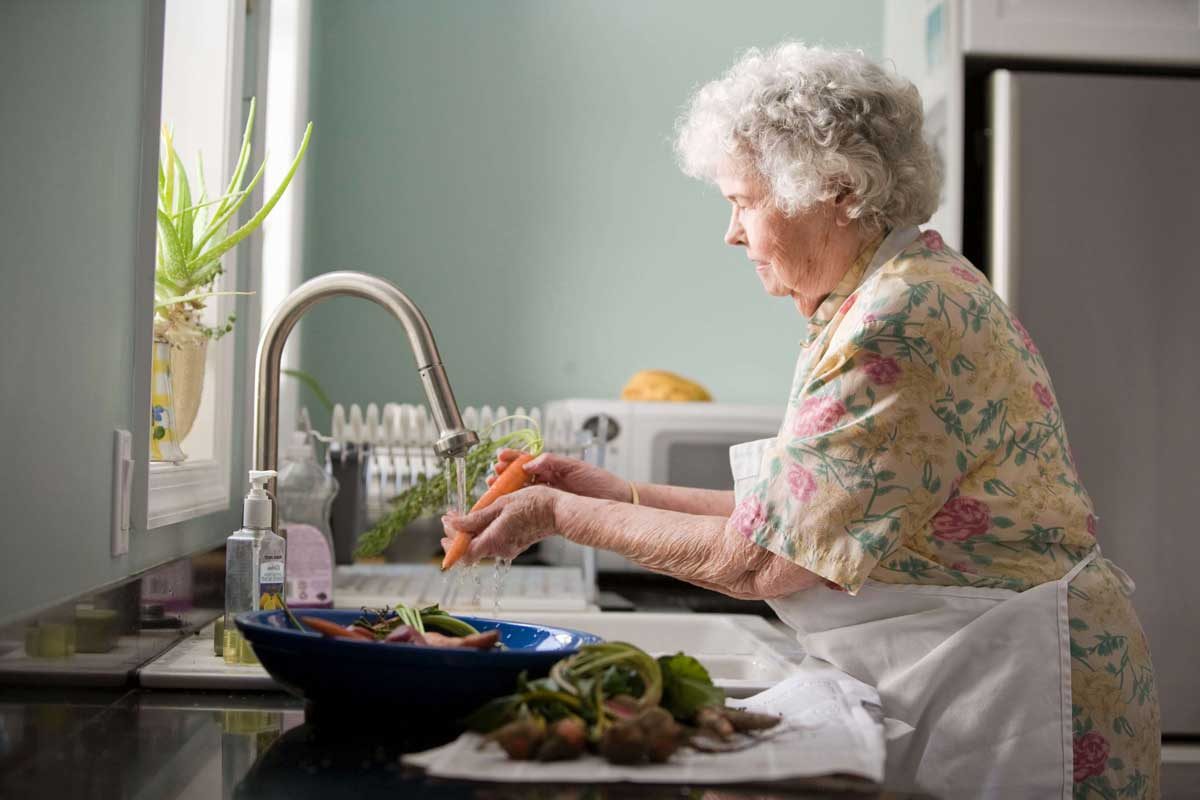
At a large facility, meals are often produced in industrial kitchens and served cafeteria-style. At Tore’s Home, meals are prepared in the home’s kitchen — the smells, sounds, and rhythms of cooking are part of the daily experience. Residents can help themselves to snacks. Families are encouraged to bring favorite foods. The kitchen belongs to everyone.
Food is deeply tied to identity, memory, and comfort. For older adults, sharing a home-cooked meal with a small group of familiar neighbors is not a minor detail — it is quality of life.
5. Pets, Privacy, and Personal Space
Many large facilities restrict or discourage pets. At Tore’s Home, there is room for a pet. Residents can personalize their spaces. Visiting hours are flexible. Families are welcomed — not managed.
6. Dignity in Every Interaction
In an institutional setting, routines are often dictated by staffing schedules, not resident preferences. Bathing, waking, eating — all happen when the facility determines. In a small home-like setting, schedules bend around the person. That flexibility is the essence of dignity in care.
Why Families in Western North Carolina Choose Tore’s Home
Tore’s Home has served Western North Carolina families since 1993 — not by growing into a large corporate chain, but by staying small on purpose. Each of our homes in Brevard and Flat Rock, NC holds just 6–12 residents. That is not a limitation. It is the entire model.
Our continuum of care means a resident can enter as an assisted living resident and remain through extended care, memory care, bedridden care, and end-of-life care — all within the same home, surrounded by the same people who know them.
We accept most Long-Term Care Insurance policies. For families with limited resources, we offer a Special Pay Program (pre-qualification required). Transportation to medical appointments within the county is included at no extra charge.
Trusted Resources for Families Researching Senior Care
Navigating senior care decisions can feel overwhelming. These organizations provide reliable, evidence-based guidance:
| Resource | What It Offers | Website |
|---|---|---|
| AARP | Guides on aging in place, caregiver support, financial planning | aarp.org |
| National Institute on Aging (NIA) | Research on cognitive health, dementia, and senior wellness | nia.nih.gov |
| Alzheimer’s Association | Dementia care resources, caregiver tools, local chapter support | alz.org |
| NC DHHS Division of Health Service Regulation | NC assisted living licensing, inspection reports, resident rights | ncdhhs.gov |
| Caregiver Action Network | Support and community for family caregivers | caregiveraction.org |
| ElderCare Locator (U.S. Dept. of Aging) | Local services, benefits, and care options by ZIP code | eldercare.acl.gov |
| Tore’s Home Webinar Series | “Knowing When It Is the Right Time for Assistance” — free video series by Tore’s team | toreshome.com/webinar |
Questions to Ask Any Senior Care Facility
Before choosing a home for your loved one, bring these questions to every facility tour:
- What does a typical day look like for a resident?
- What is your average staff-to-resident ratio per shift?
- How long has your average caregiver been employed here?
- What happens if my loved one’s care needs increase significantly?
- Do residents ever have to move to a different facility?
- Can I visit at any time? Are there visiting restrictions?
- How are meals prepared and who decides the menu?
- How do you handle medical emergencies?
- What is your philosophy on end-of-life care?
- Can I speak with a current resident’s family as a reference?
At Tore’s Home, we welcome every one of these questions — because our answers reflect over 30 years of doing this work the right way.
Ready to See the Difference?
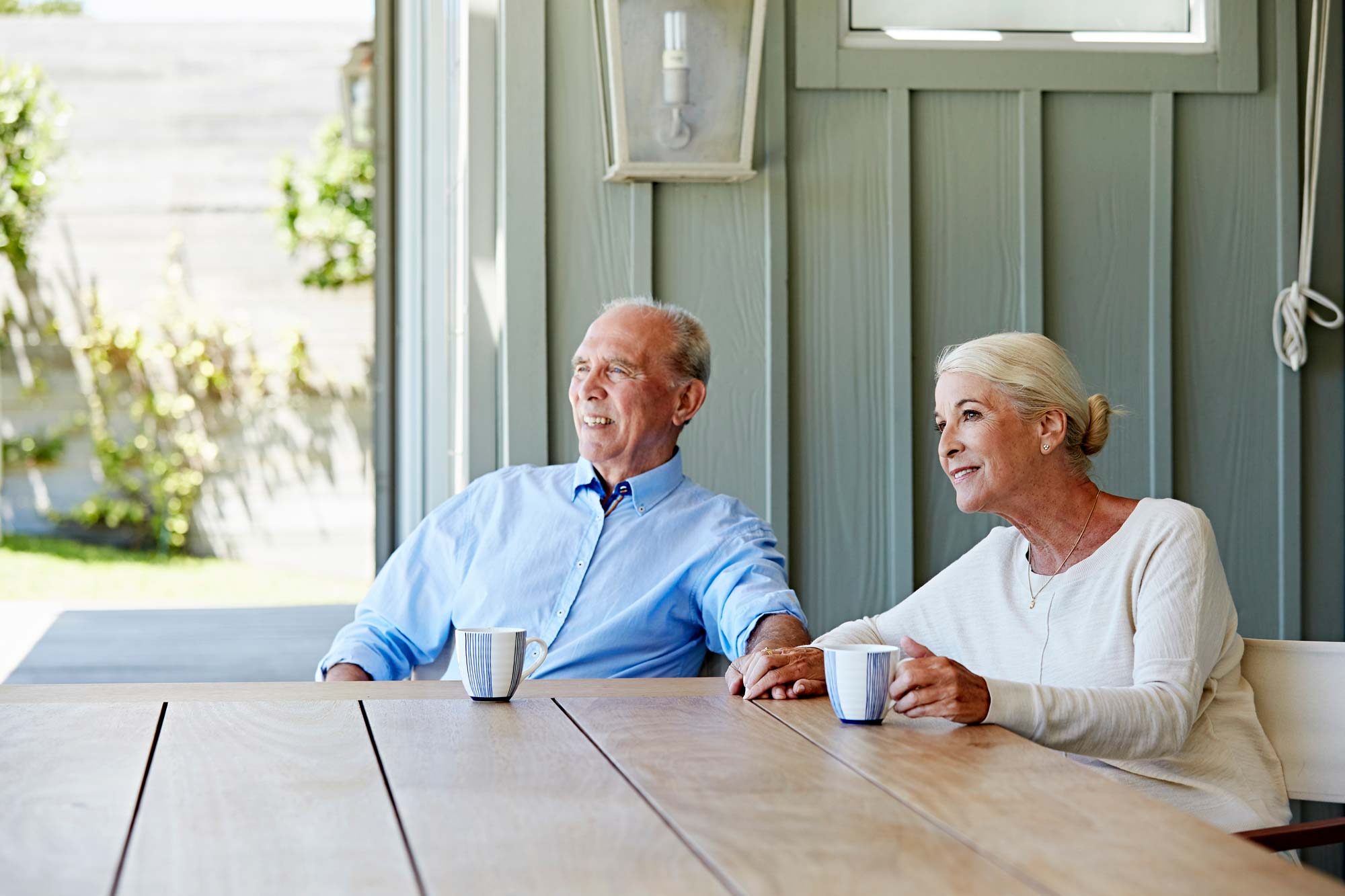
If your family is beginning to navigate the senior care conversation, we invite you to visit one of our homes in Brevard or Flat Rock, North Carolina. See the scale. Meet the staff. Have a cup of coffee in a place that actually feels like home.
Schedule a tour: toreshome.com/new/#schedule Call us: (828) 884-5007 Learn about our services: toreshome.com/tores-services
SEO Metadata (paste into WordPress/Yoast)
SEO Title: Aging in Place in Western NC | Small Assisted Living | Tore's Home
Meta Description: Discover why aging in place in a small, home-like environment leads to better outcomes for seniors. Tore's Home in Brevard & Flat Rock, NC offers intimate care for 6–12 residents — assisted living, memory care & more since 1993.
Focus Keyword: aging in place Western North Carolina
Secondary Keywords: small assisted living NC, home-like senior care Brevard NC, memory care Flat Rock NC, aging in place vs nursing home, senior care Western North Carolina, personalized assisted living NC, dementia care small facility NC
Slug: /aging-in-place-western-north-carolina
Categories: Senior Care Tips, Aging in Place, Assisted Living Resources
Tags: aging in place, assisted living Brevard NC, memory care, small senior care home, Western NC senior living, dementia care NC, Tore’s Home
© 2026 Tore’s Home®, Inc. All Rights Reserved. Brevard & Flat Rock, North Carolina.